



Espresso recipe 23
0.
gm/l
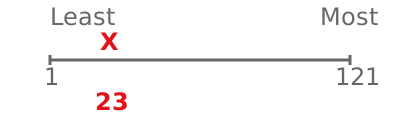
If sour
If bitter
There’s less than a 10% chance this recipe will be ideal for your roast level. However, if you’ve measured the density, your chances of success soar to 68%. Don’t hesitate to experiment with another recipe based on your taste test results—finding what tastes best for you is worth it!
Espresso parameters
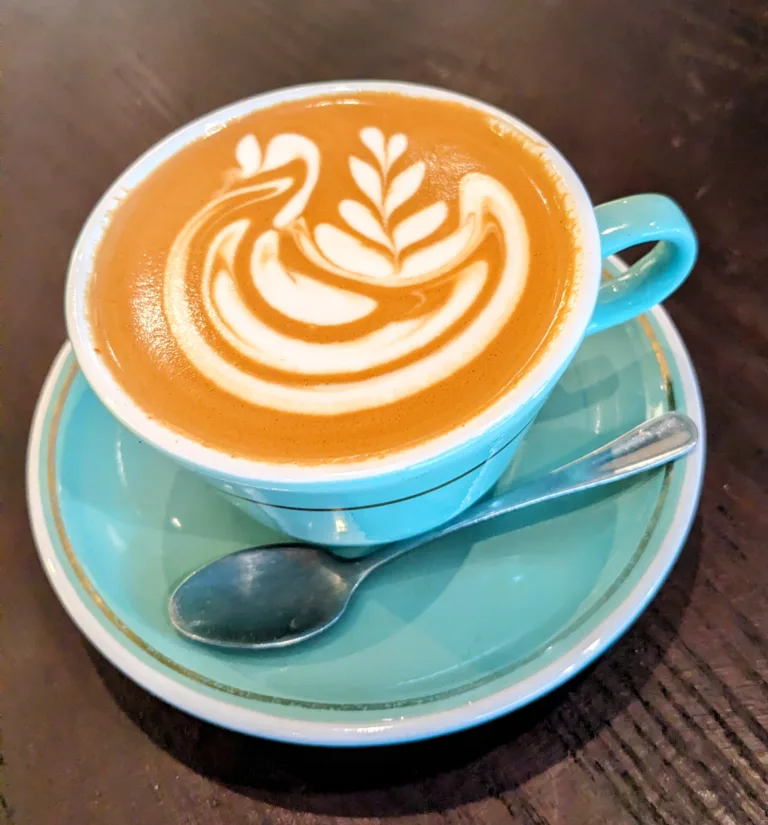
Espresso directions
Don’t get hung up on the details. If you can’t change your pressure, maybe you don’t have a complete set of baskets, you don’t know what that grind size even means. It doesn’t matter.
Providing you are changing the dose, the yield, the ratio, the bits you can, you will be changing the TASTE, and that is what matters. YOU are finding a RECIPE that tastes better than the last recipe you tried.
1.
Pre-heat your espresso machine, portafilter, basket, and coffee cup.
2.
Get your single dose out of the freezer. If you are not single-dosing and freezing your coffee, read How to Store Coffee Beans – 9 tips. While at it, read Best Coffee Beans – Six Purchasing Tips.
Shots of espresso these days are nearly always a double shot of espresso. Double shots are now the standard in America and many places worldwide. A single shot of espresso is scarce. Traditionally, a single shot (solo) of espresso uses about 7g of espresso-fine grounds. If you want to make a single, pull a double, but use a split portafilter to halve the shot.
3.
4.
Grind your frozen coffee; do not defrost it. Either grind into an espresso shaker funnel or using a dosing funnel, grind it into the right-sized basket in a naked portafilter.
5.
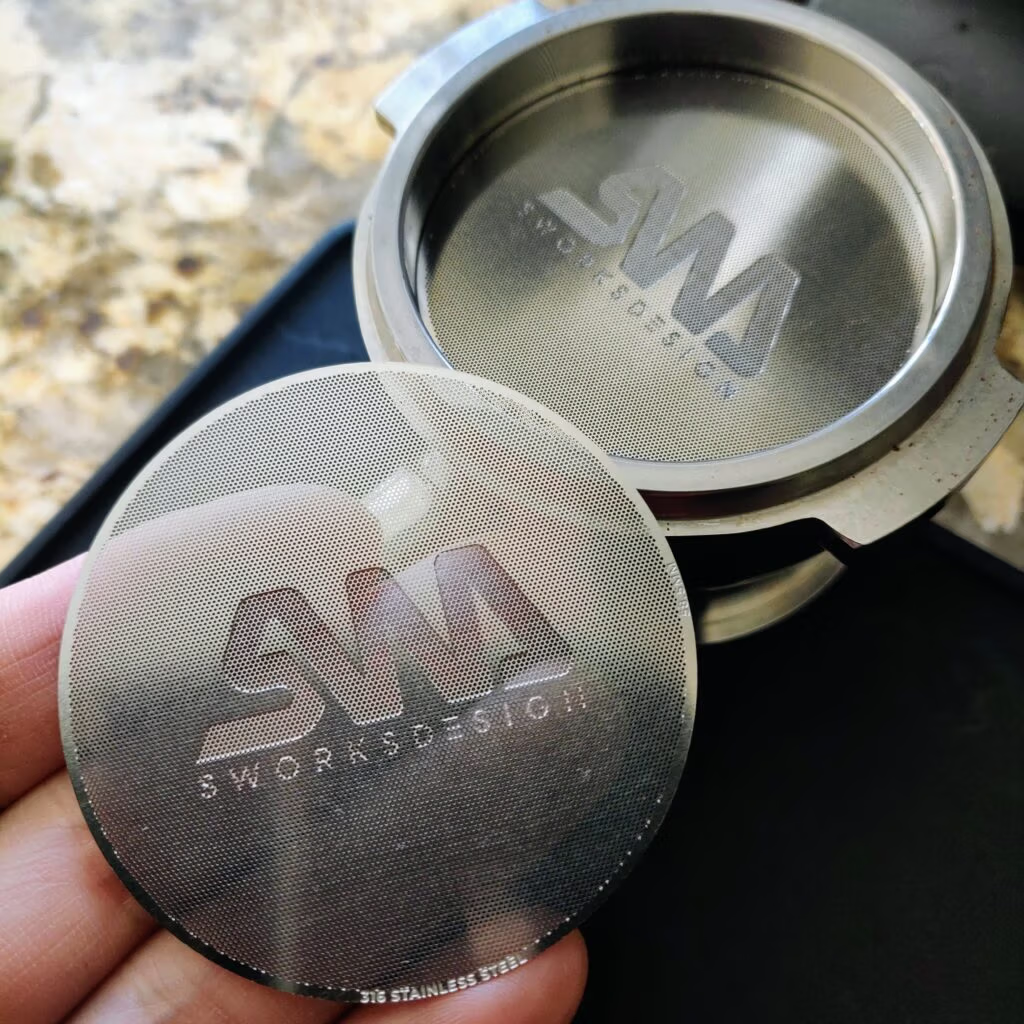
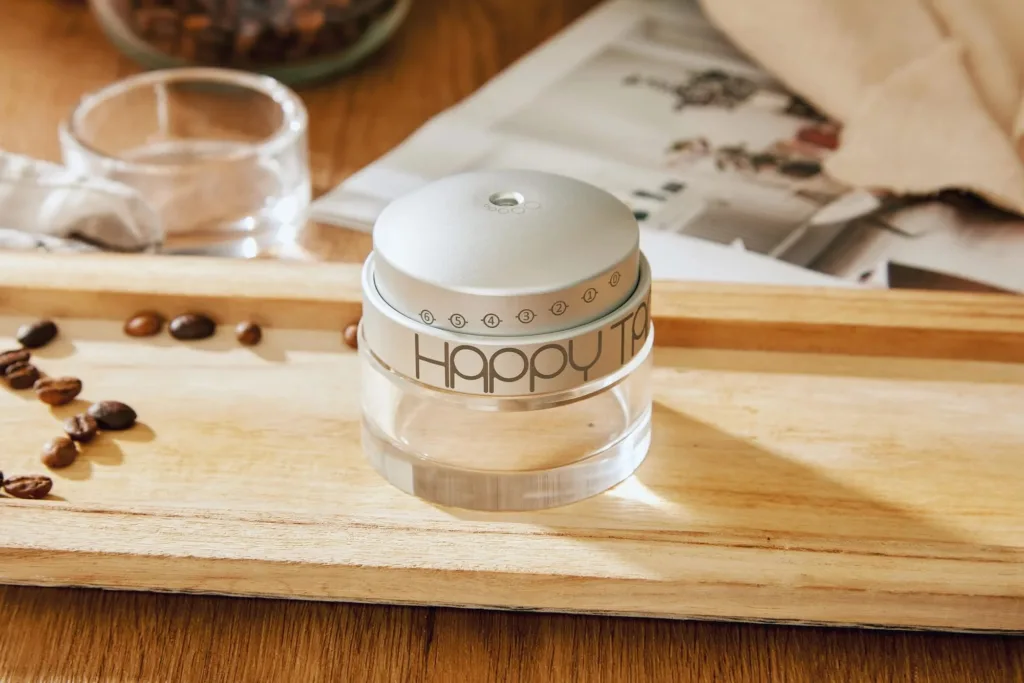
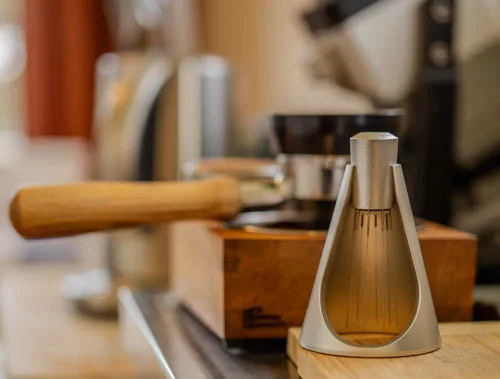
Puck prep: I use a WDT tool to break up clumps and redistribute them. I use a levelling tool and a levelling palm tamper. Then, I cover it with a shower screen to help evenly distribute the water.
6.
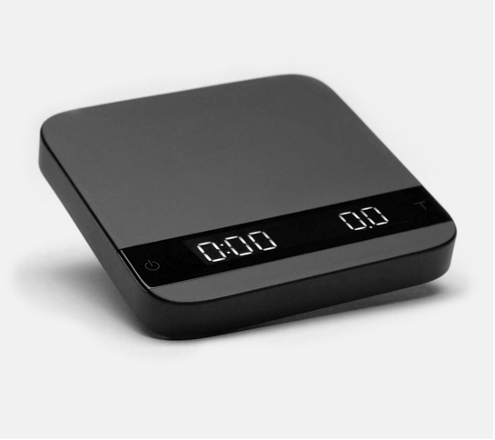
Place the scales under your cup, tare, and start the timer.
7.
Increase the pressure to 8 bar. Pre-infusion (pausing until the first drip appears) is only necessary if the beans are extremely fresh (for example, within 2 days of roasting) and are degassing so much that it affects extraction. This scenario is quite rare, so you probably won’t need to pre-infuse.
To monitor the extraction, use a mirror to watch the bottom of the naked portafilter. If you notice any spritzing, ease off the pressure for a moment. Reduce the pressure to 6 bars to maintain a steady flow rate. Stop the shot once you have reached your target yield. The extraction time should be approximately 30 seconds.
If the shot is running very slowly despite high pressure, you need to adjust your grind to a coarser setting. Conversely, if the shot is running too quickly and you cannot maintain pressure, you should grind finer.
8.
Now, the most crucial step. Before adding milk, stir the espresso and crema, dip a teaspoon in and taste (you don’t need a spoonful, it just needs to be wet). Is the coffee sour? If so, next time you make this coffee, extract more using the recipe indicated by the button above.
9.
If the coffee is not sour, ask yourself if it is very bitter. Bitterness is more difficult because all coffee is bitter to some extent. However, you can reduce bitterness by extracting less. Go too far, and it will turn sour. You are looking for the calm spot in between. Just above sour will taste the best. If you need to reduce bitterness next time you make this coffee, extract less by using the recipe indicated by the button above.
10.
Add the bypass hot water (optional). Adding hot water reduces the blanket of milk and increases the coffee’s apparent strength while keeping the volume up.
11.
Add the steamed milk. Espresso con panna (whipped cream) may be a little OTT, but adding 5-10ml of cream to your milk before steaming can help the body and taste. Another option is adding 15% coconut milk.
Espresso equipment
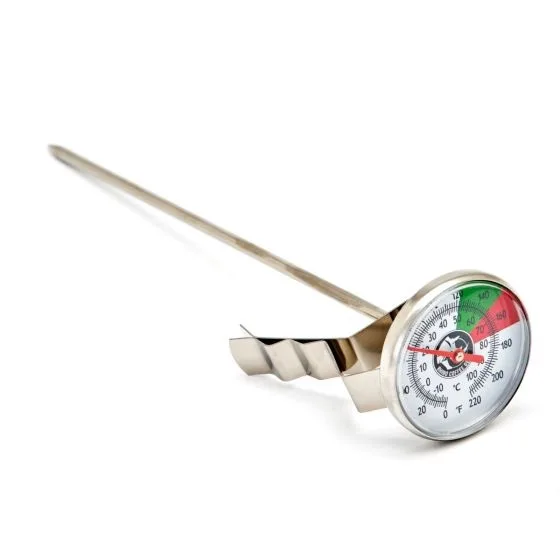
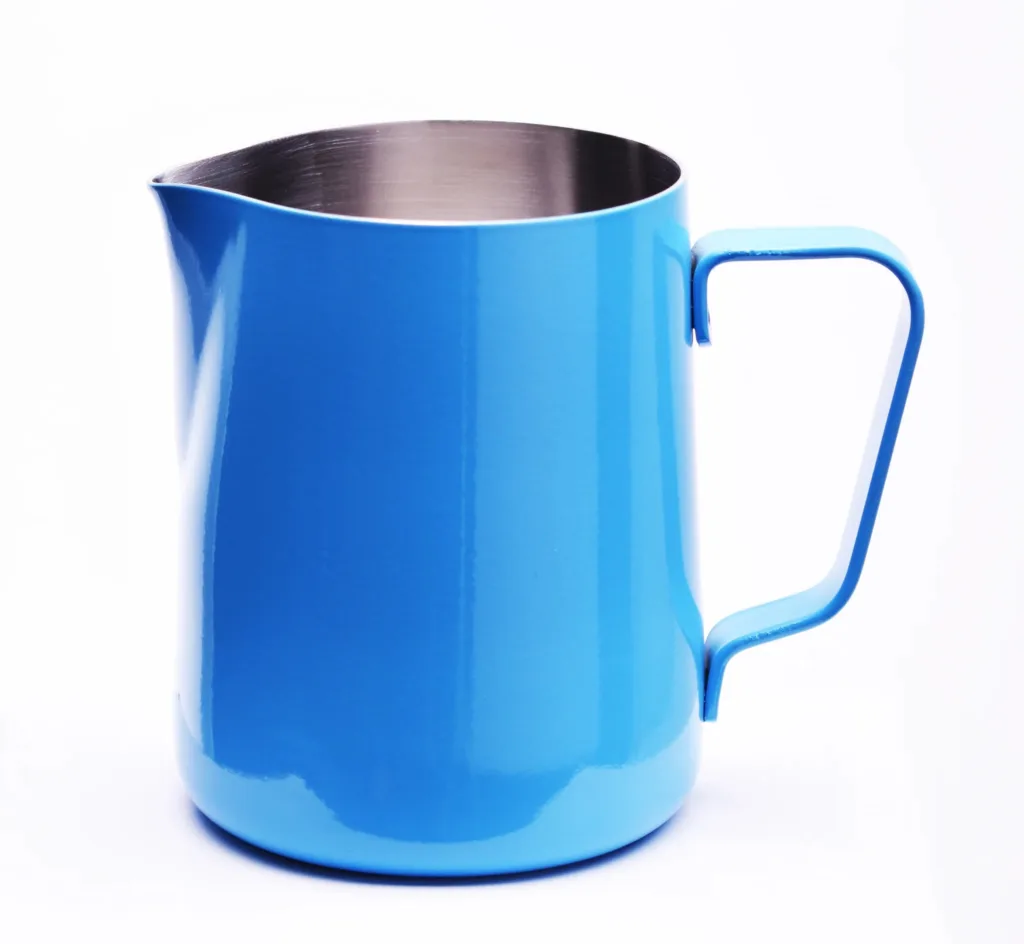
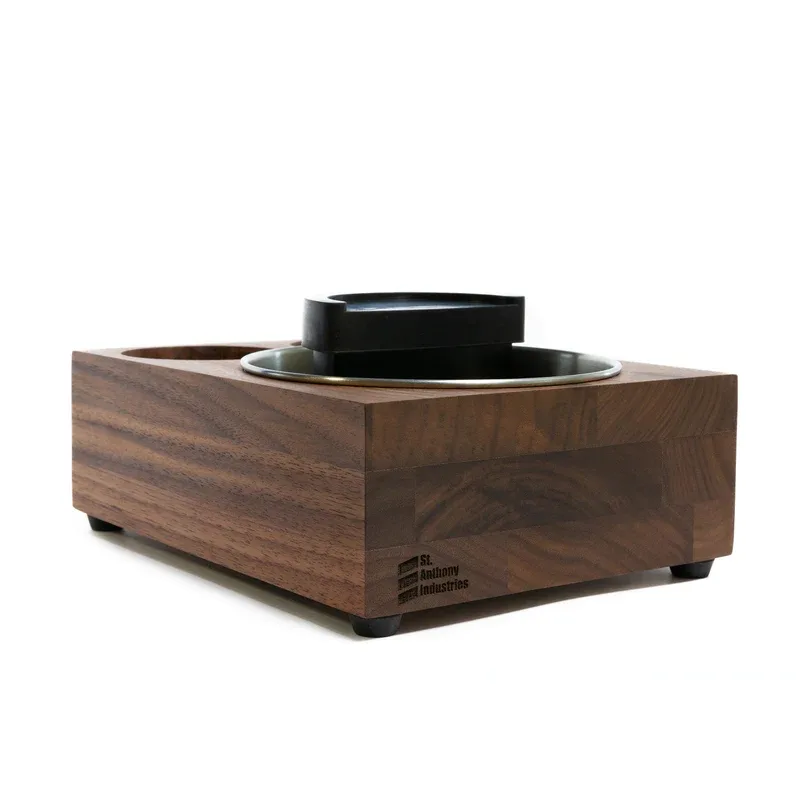
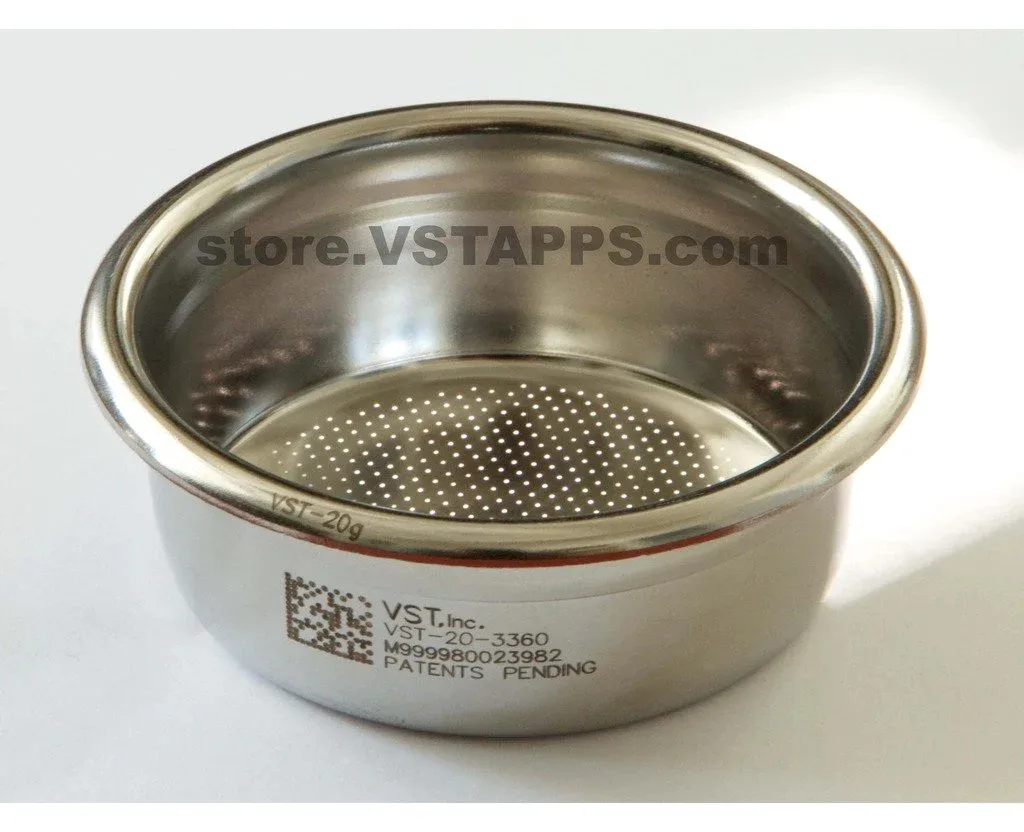
I only endorse equipment I have purchased myself, and I do not earn a commission or have any links to the companies I recommend.
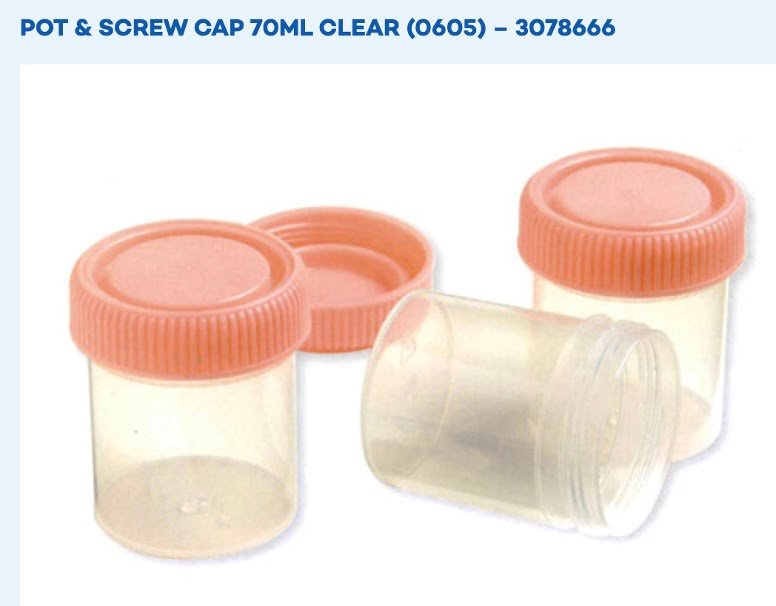
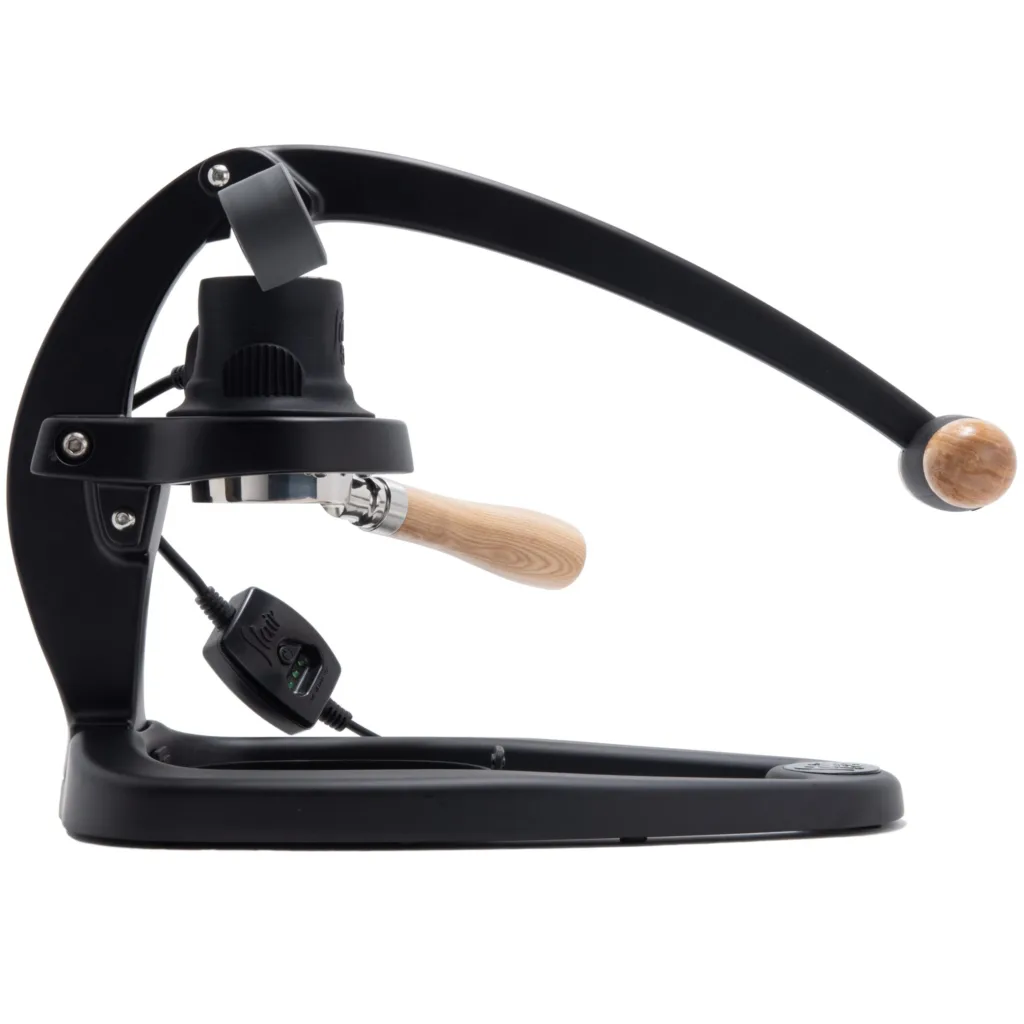
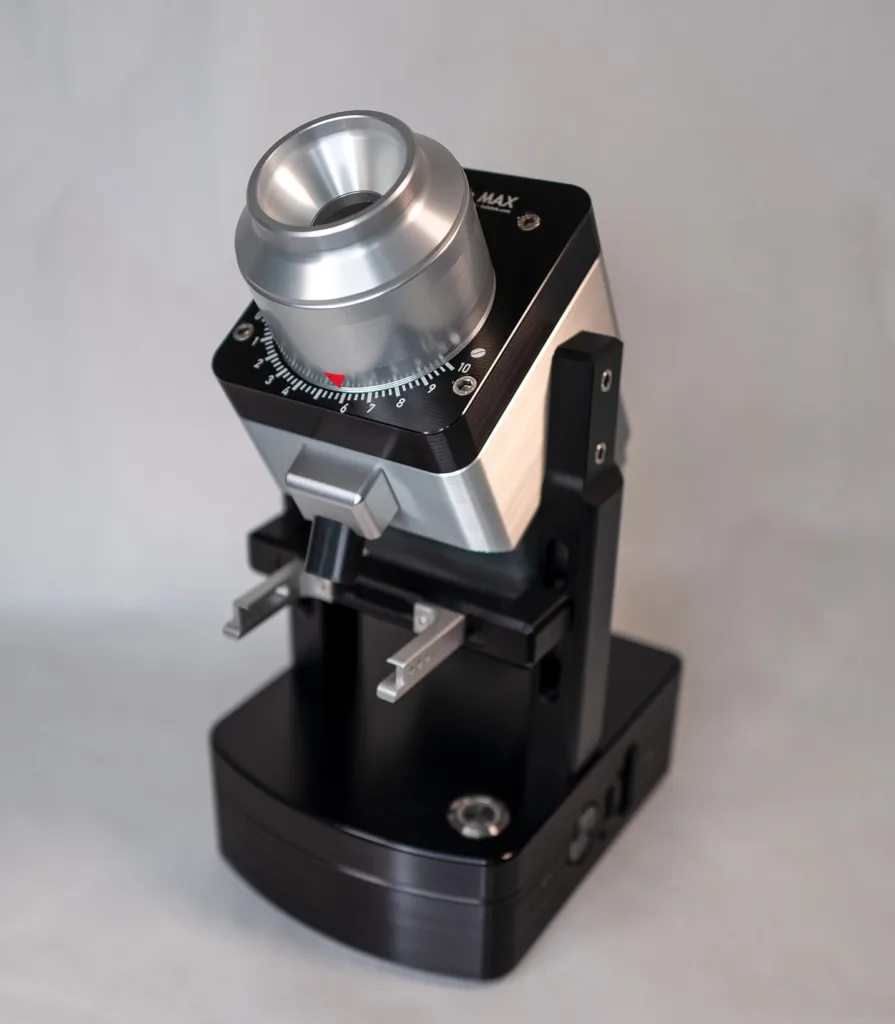
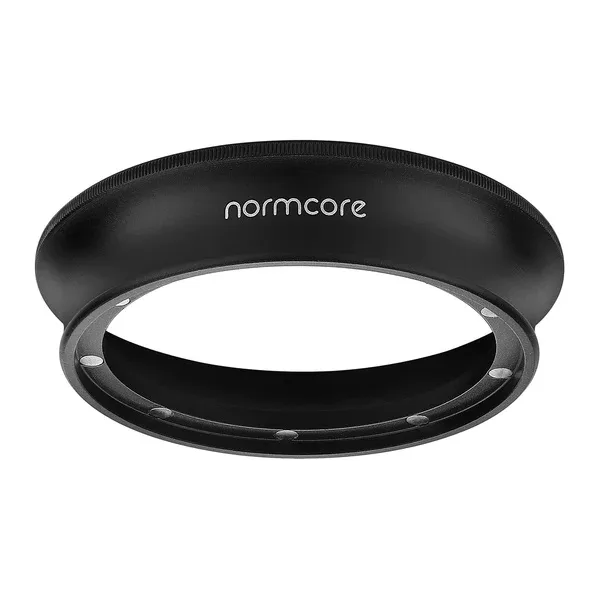
An example of a coffee I'm drinking
Brazil, Santuário Sul
Mango, Maple, Toffee
COFFEE CHARACTERISTICS
Origin:
Carmo de Minas
Minas Gerais
Process:
Natural
Varietal:
Bourbon 300
Producer:
Luiz Paulo Dias Pereira Filho
Founded in 2015, Fazenda Santuário Sul began as Luiz Paulo’s vision to push Brazilian coffee beyond its traditional limits. Inspired by global varietals and experimental processing, the farm now cultivates over 30 exotic varieties alongside classics like Yellow Bourbon, using shade-growing techniques to unlock new flavour profiles. Located next to the iconic Irmãs Pereira farm, it shares both heritage and a drive for innovation.
That forward-thinking approach has earned international recognition, with strong results in competitions like the Cup of Excellence and Carmo Best Cup. In the cup, expect a layered profile of toffee, mango and maple; sweet, syrupy and full of character. Luiz Paulo’s mission remains the same: keep innovating and continue raising the bar for Brazilian coffee.
About the Roaster
Model Version:
How you can help
I have a dream:
- it might raise the standard of coffee-making globally
- It might reduce dialling in waste, time, and frustration
- It might encourage people to explore more varieties and pay more attention to the producers.
- You might be prepared to pay more for better coffee if it pleases you, returning more money to growers.
You can help:
- The best thing you can do is spread the word on other platforms, such as Reddit or Facebook coffee forums, and share with others how this method can solve everyday problems.
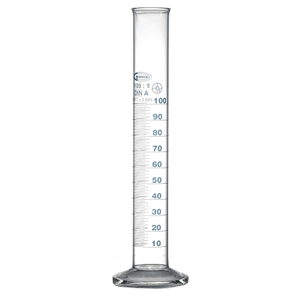
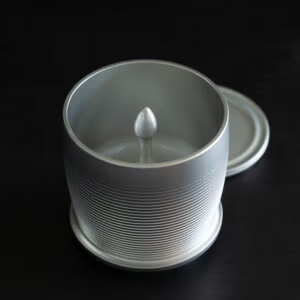
- Use 0.1g accurate scales, the recommended 100ml measuring cylinder. Entering quality data into the form helps improve the model.
- Provide evidence-based feedback for parameter range adjustments to help improve the model.
- Support the site financially via Patreon donations to help with ongoing running costs, site hosting fees, and plug-in subscriptions.