



Espresso recipe 13
0.
gm/l
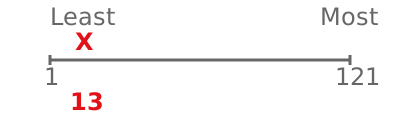
If sour
If bitter
There’s less than a 10% chance this recipe will be ideal for your roast level. However, if you’ve measured the density, your chances of success soar to 68%. Don’t hesitate to experiment with another recipe based on your taste test results—finding what tastes best for you is worth it!
Espresso parameters
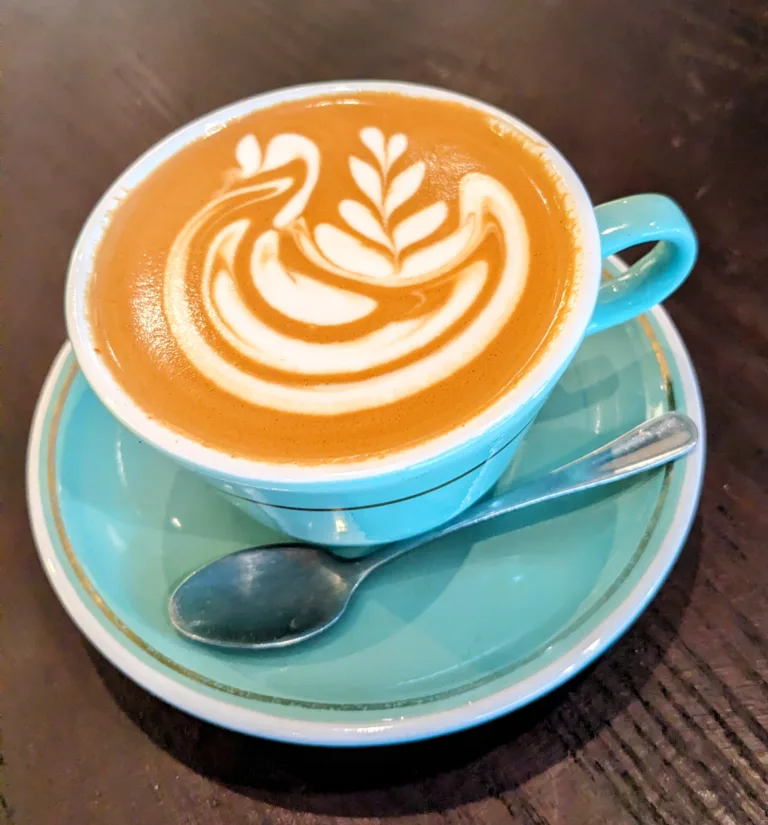
Espresso directions
Don’t get hung up on the details. If you can’t change your pressure, maybe you don’t have a complete set of baskets, you don’t know what that grind size even means. It doesn’t matter.
Providing you are changing the dose, the yield, the ratio, the bits you can, you will be changing the TASTE, and that is what matters. YOU are finding a RECIPE that tastes better than the last recipe you tried.
1.
Pre-heat your espresso machine, portafilter, basket, and coffee cup.
2.
Get your single dose out of the freezer. If you are not single-dosing and freezing your coffee, read How to Store Coffee Beans – 9 tips. While at it, read Best Coffee Beans – Six Purchasing Tips.
Shots of espresso these days are nearly always a double shot of espresso. Double shots are now the standard in America and many places worldwide. A single shot of espresso is scarce. Traditionally, a single shot (solo) of espresso uses about 7g of espresso-fine grounds. If you want to make a single, pull a double, but use a split portafilter to halve the shot.
3.
4.
Grind your frozen coffee; do not defrost it. Either grind into an espresso shaker funnel or using a dosing funnel, grind it into the right-sized basket in a naked portafilter.
5.
Puck prep: I use a WDT tool to break up clumps and redistribute them. I use a levelling tool and a levelling palm tamper. Then, I cover it with a shower screen to help evenly distribute the water.
6.
Place the scales under your cup, tare, and start the timer.
7.
Increase the pressure to 8 bar. Pre-infusion (pausing until the first drip appears) is only necessary if the beans are extremely fresh (for example, within 2 days of roasting) and are degassing so much that it affects extraction. This scenario is quite rare, so you probably won’t need to pre-infuse.
To monitor the extraction, use a mirror to watch the bottom of the naked portafilter. If you notice any spritzing, ease off the pressure for a moment. Reduce the pressure to 6 bars to maintain a steady flow rate. Stop the shot once you have reached your target yield. The extraction time should be approximately 30 seconds.
If the shot is running very slowly despite high pressure, you need to adjust your grind to a coarser setting. Conversely, if the shot is running too quickly and you cannot maintain pressure, you should grind finer.
8.
Now, the most crucial step. Before adding milk, stir the espresso and crema, dip a teaspoon in and taste (you don’t need a spoonful, it just needs to be wet). Is the coffee sour? If so, next time you make this coffee, extract more using the recipe indicated by the button above.
9.
If the coffee is not sour, ask yourself if it is very bitter. Bitterness is more difficult because all coffee is bitter to some extent. However, you can reduce bitterness by extracting less. Go too far, and it will turn sour. You are looking for the calm spot in between. Just above sour will taste the best. If you need to reduce bitterness next time you make this coffee, extract less by using the recipe indicated by the button above.
10.
Add the bypass hot water (optional). Adding hot water reduces the blanket of milk and increases the coffee’s apparent strength while keeping the volume up.
11.
Add the steamed milk. Espresso con panna (whipped cream) may be a little OTT, but adding 5-10ml of cream to your milk before steaming can help the body and taste. Another option is adding 15% coconut milk.
Espresso equipment
I only endorse equipment I have purchased myself, and I do not earn a commission or have any links to the companies I recommend.
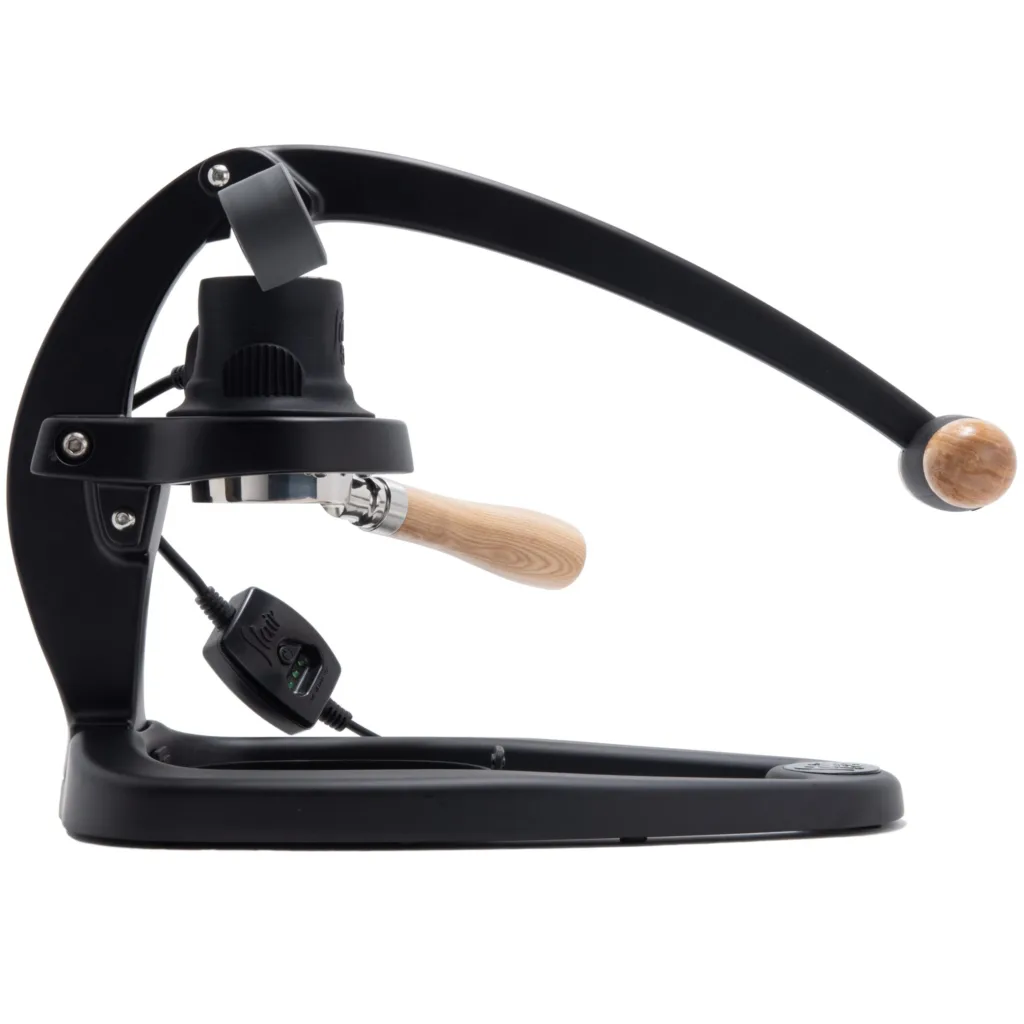
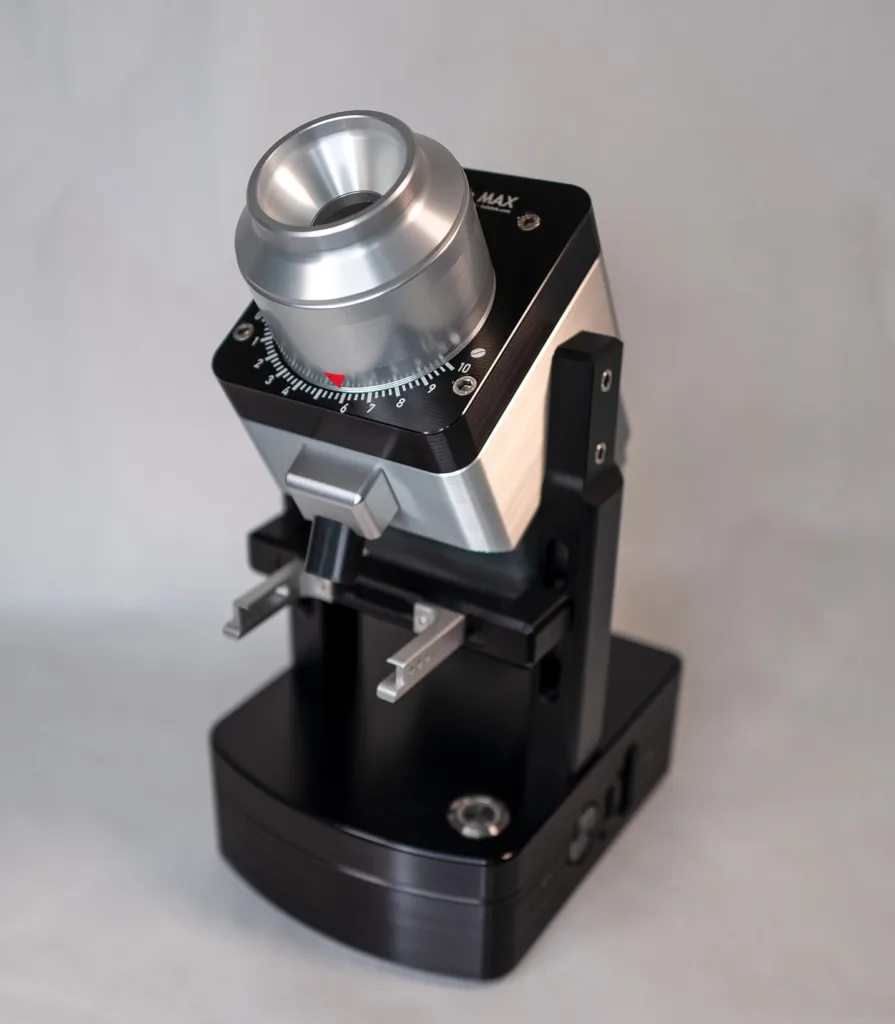

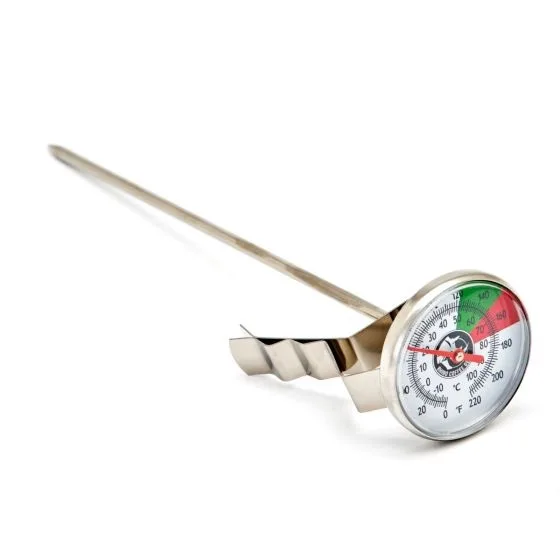
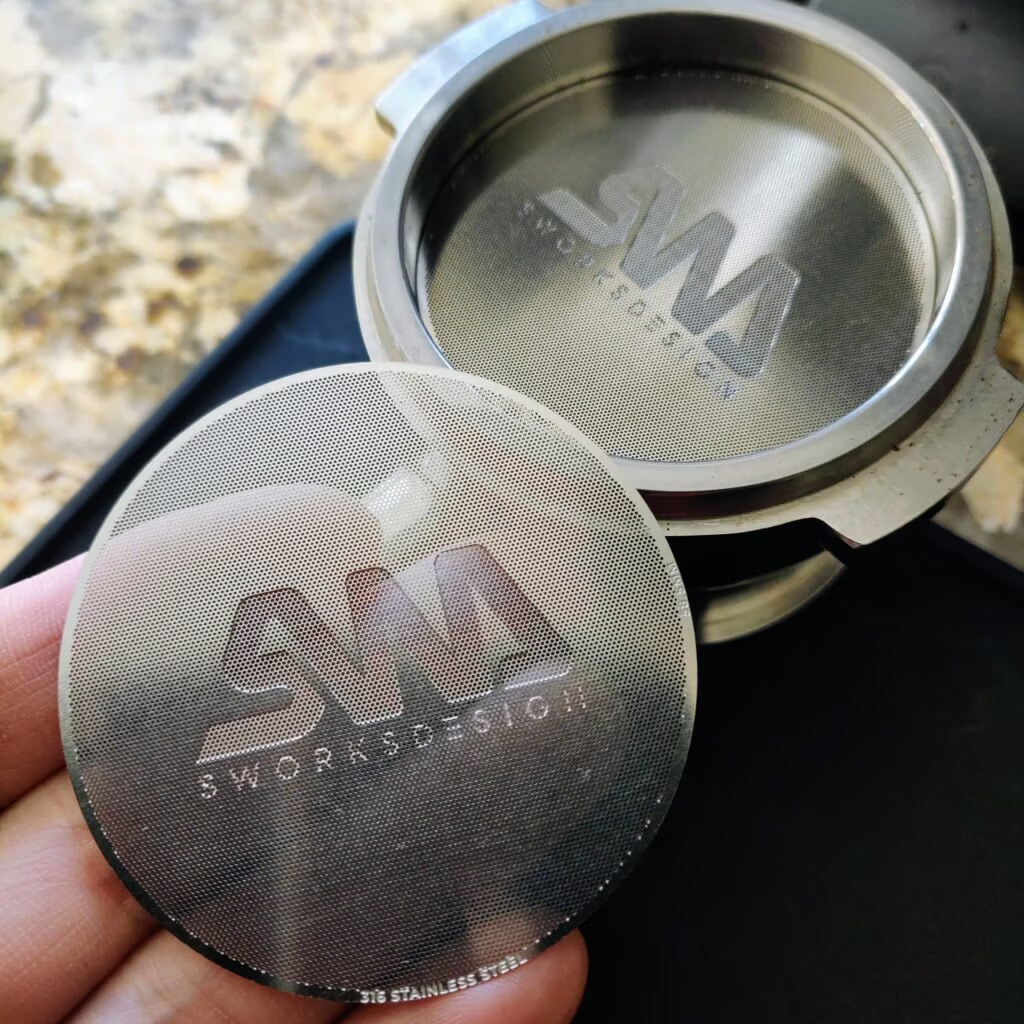
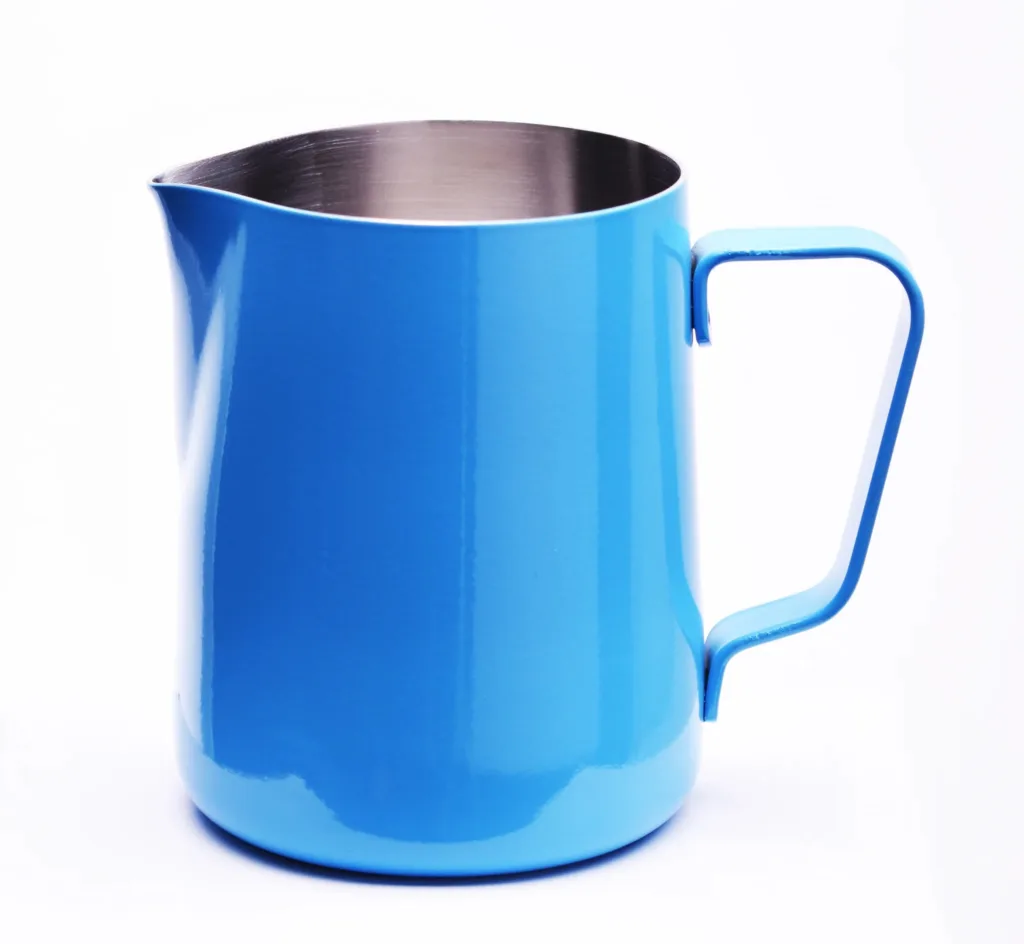
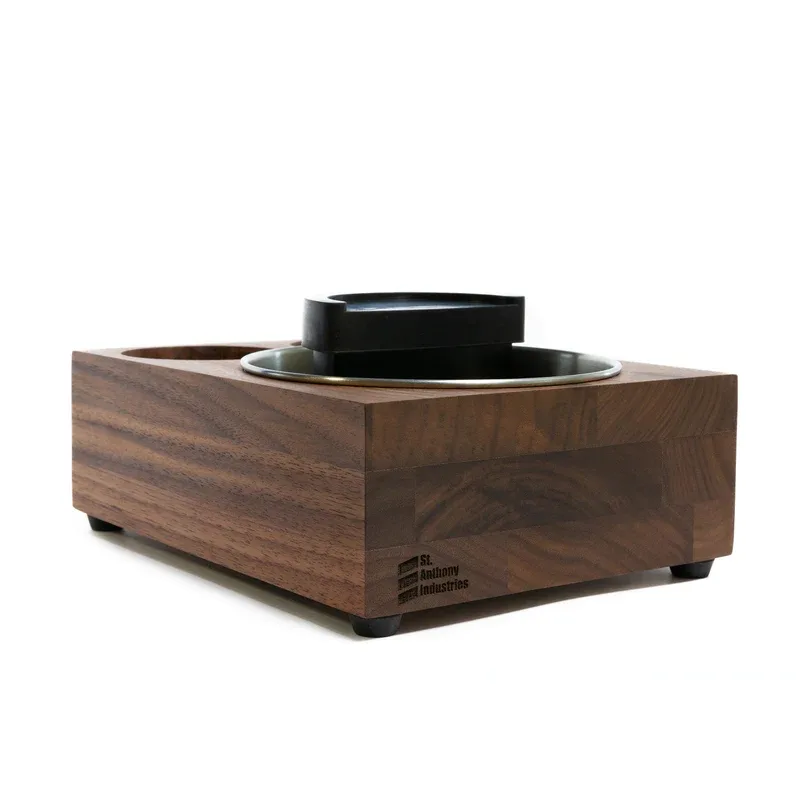
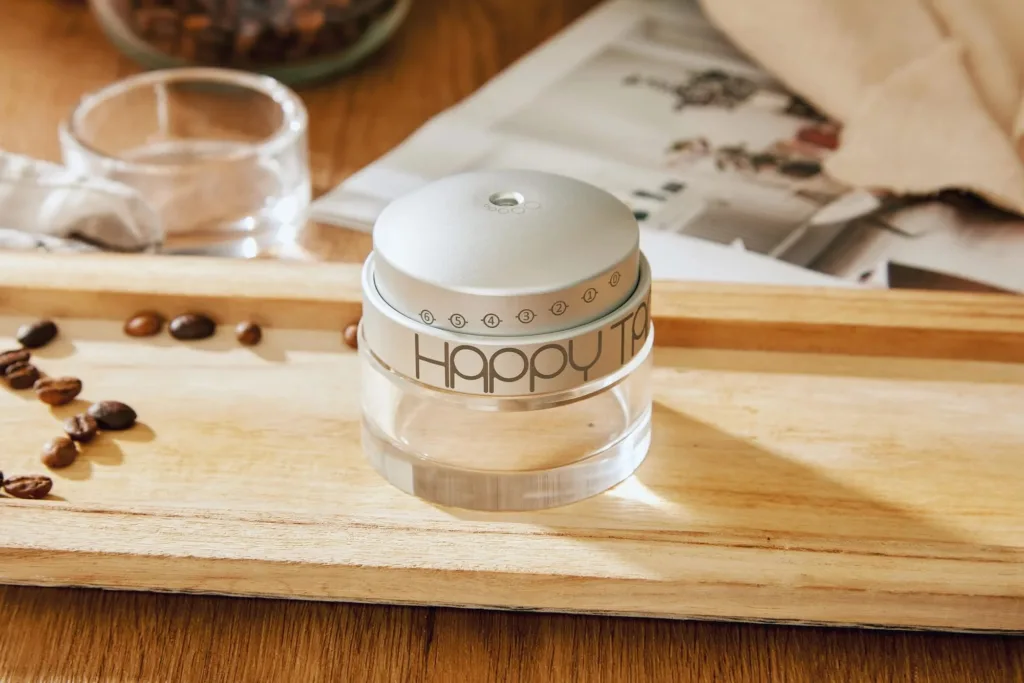
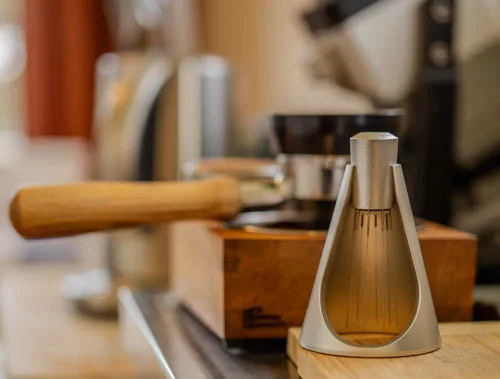
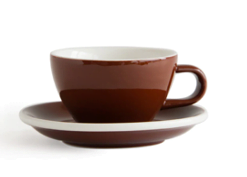
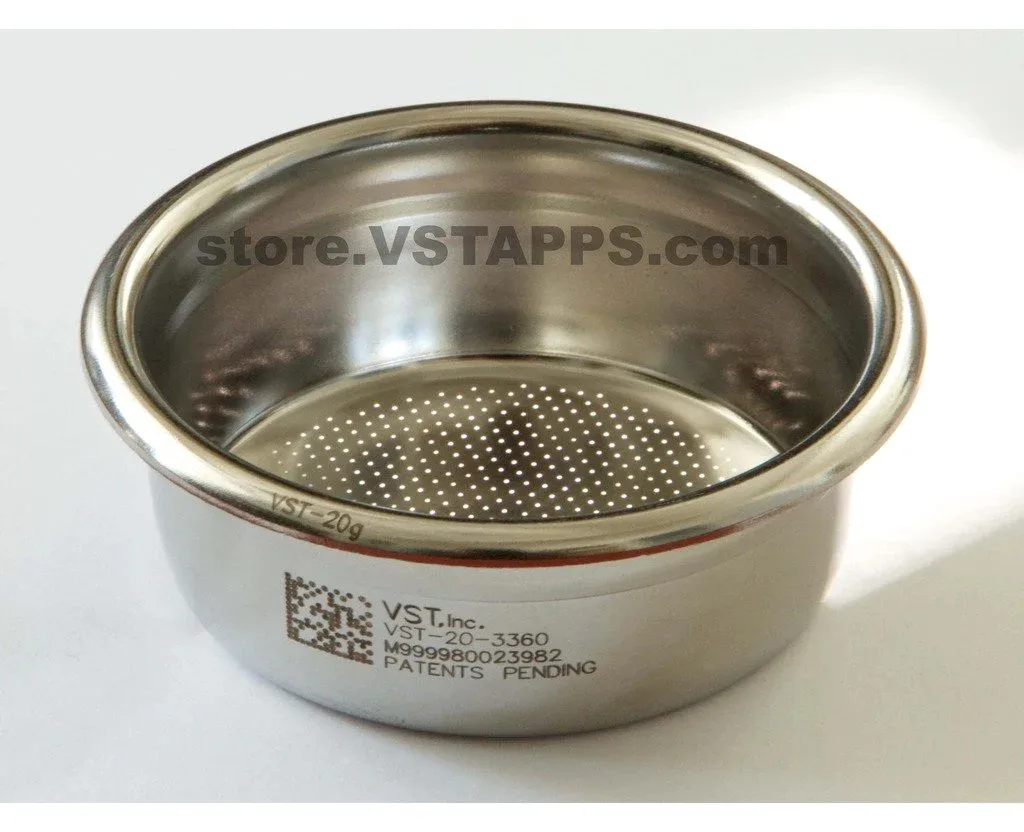

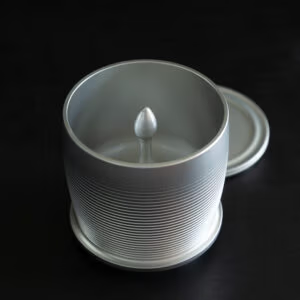
An example of a coffee I'm drinking
Colombia Felipe Arcila Bourbon Sidra Natural
We’re often fortunate to feature coffees from one of the most esteemed families in specialty coffee — the Arcila family: Luz Helena, Jairo, and their sons Felipe and Carlos. So when the opportunity arose to secure the only box of naturally processed Bourbon Sidra from Felipe’s newest experimental farm, Jardines del Encanto, we didn’t hesitate. Typically, Felipe’s coffees are reserved for elite competitions, making this limited release — presented as whole beans in 125g cans — a rare and exciting privilege to share.
COUNTRY – Colombia
FARM – Jardines del Encanto
REGION – Pijao, Quindio
ALTITUDE – 1850 M.A.S.L
VARIETAL – Bourbon Sidra
PROCESSING METHOD – Natural
TASTING NOTES – Lime zest, Lemongrass, Fresh Strawberries, GrapeFELIPE ARCILA
Felipe is one of the co-founders of Cofinet along with his brother Carlos Arcila. They are the 4th generation of coffee growers. Their father, Jairo Arcila, is a third-generation coffee grower from Quindío. Jairo told his sons that the coffee industry was not profitable because of the many economic challenges he had faced in the past. Because of this advice, Felipe and Carlos both pushed forward with their careers in civil engineering and travelled to Australia to continue with their master’s degrees.
Felipe was amazed by the coffee culture he saw first hand Australia and was inspired to be a part of it. When Felipe finished his studies and returned to Colombia, he became more involved in coffee and started to study Specialty Coffee. Felipe and Carlos then bought Jardines del Edén where their focus is on growing exotic varieties of coffee. In 2015, Felipe and Carlos started Cofinet and began producing, sourcing, and exporting Specialty Coffee to the rest of the world.NATURAL PROCESS
At Jardines, the team of pickers selectively harvest only the ripest cherries, which are then carefully transported to La Pradera—Cofinet’s processing center. To preserve their
freshness, the cherries are transported in grain-pro bags or suitable containers during the cool early morning hours, a crucial step to prevent overfermentation.
Upon arrival, they are first floated in water tanks to remove low density beans. The water used in this stage is recycled for more baches that require floating. Once this water is no longer suitable for usage, it is filtered through a series of specialized tanks before being irrigated into vetiver grass beds and is then released as oxygen. This natural filtration process purifies the water, ensuring no contaminated water is discharged from our processing center and maintaining an environmentally sustainable operation.
After floating, the cherries undergo a meticulous hand-sorting stage. Here, we eliminate any unripe, overripe, or faulty cherries to ensure only the best cherries move forward in the process.
For this lot, cherries are exposed to 45-hour aerobic
fermentation. This method highlights the intrinsic flavors of the coffee, resulting in a cup that is rich, complex, and deeply connected to its origin. Afterwards, cherries are spread out on raised beds when they are exotic varieties. The cherries are carefully monitored and turned regularly to ensure uniform drying and to prevent over-fermentation or mold.
The drying process can take between 8 to 12 days, during
which the sugars and flavors from the fruit slowly permeate the beans. This creates a unique profile characterized by intense fruitiness, sweetness, and full-bodied.
We aim for a moisture content of 9.5%-11%, which is the
perfect point for us. Our greenhouse maintains a temperature range of 20 to 38°C, helping us achieve a consistent drying time for our coffees.BOURBON SIDRA
Sidra is a captivating and exotic addition to the world of
specialty coffee. Although its precise origins remain somewhat unclear, research conducted by World Coffee Research suggests that Sidra shares genetic similarities with Ethiopian Landrace varieties. It is widely believed that Sidra was developed in Ecuador by a private organization, with some sources attributing its creation to Nestlé, which reportedly hybridized Ethiopian and Bourbon varieties to produce this unique cultivar.
Even though it is susceptible to leaf rust, it is resistant
to drought. However, Sidra needs special care at the farming
level which means farmers need to implement careful pest
management practices to protect their crops.
Sidra has a medium to high yield and exceptional quality
profile. Its cup profile will depend on the climate, altitude, and other factors in processing; however common tasting notes include: floral hints, tropical fruits, honey, ginger, and brown sugar, and a vibrant acidity.
Sidra thrives at high altitudes, typically grown between 1,500 to 2,000 m.a.s.l. This elevation range is ideal for developing the complex flavours and vibrant acidity that Sidra is known for.
The cooler temperatures and slower maturation process at
these heights allow the cherries to develop more sugars and nuanced flavour compounds, resulting in a cup profile that is both bright and complex.
We first had the opportunity to taste this variety in 2017 and were deeply impressed by its flavour. Recognizing its potential, we proceeded to cultivate Sidra at Jardines del Edén in 2019 and by 2022, we cultivate it at Jardines del Encanto too, sharing this treasure across our farms.
About the Roaster
Model Version:
How you can help
I have a dream:
- it might raise the standard of coffee-making globally
- It might reduce dialling in waste, time, and frustration
- It might encourage people to explore more varieties and pay more attention to the producers.
- You might be prepared to pay more for better coffee if it pleases you, returning more money to growers.
You can help:
- The best thing you can do is spread the word on other platforms, such as Reddit or Facebook coffee forums, and share with others how this method can solve everyday problems.
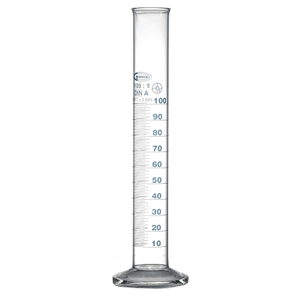
- Use 0.1g accurate scales, the recommended 100ml measuring cylinder. Entering quality data into the form helps improve the model.
- Provide evidence-based feedback for parameter range adjustments to help improve the model.
- Support the site financially via Patreon donations to help with ongoing running costs, site hosting fees, and plug-in subscriptions.