



Espresso recipe 121
0.
gm/l
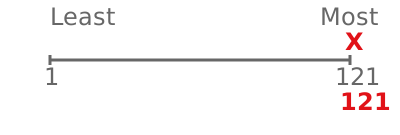
If bitter
There’s less than a 10% chance this recipe will be ideal for your roast level. However, if you’ve measured the density, your chances of success soar to 68%. Don’t hesitate to experiment with another recipe based on your taste test results—finding what tastes best for you is worth it!
Espresso parameters
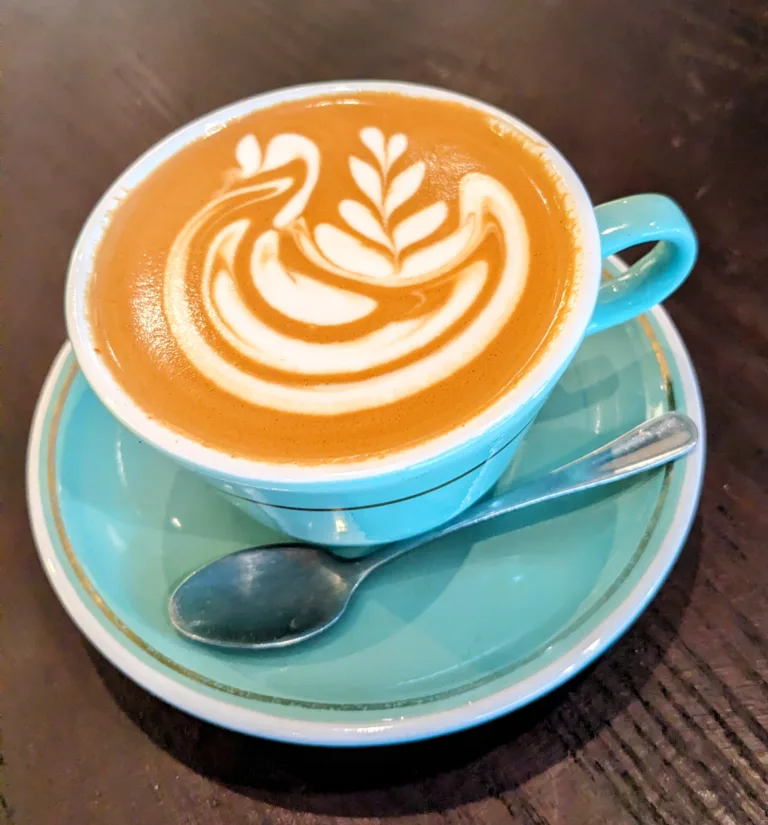
Espresso directions
Don’t get hung up on the details. If you can’t change your pressure, maybe you don’t have a complete set of baskets, you don’t know what that grind size even means. It doesn’t matter.
Providing you are changing the dose, the yield, the ratio, the bits you can, you will be changing the TASTE, and that is what matters. YOU are finding a RECIPE that tastes better than the last recipe you tried.
1.
Pre-heat your espresso machine, portafilter, basket, and coffee cup.
2.
Get your single dose out of the freezer. If you are not single-dosing and freezing your coffee, read How to Store Coffee Beans – 9 tips. While at it, read Best Coffee Beans – Six Purchasing Tips.
Shots of espresso these days are nearly always a double shot of espresso. Double shots are now the standard in America and many places worldwide. A single shot of espresso is scarce. Traditionally, a single shot (solo) of espresso uses about 7g of espresso-fine grounds. If you want to make a single, pull a double, but use a split portafilter to halve the shot.
3.
4.
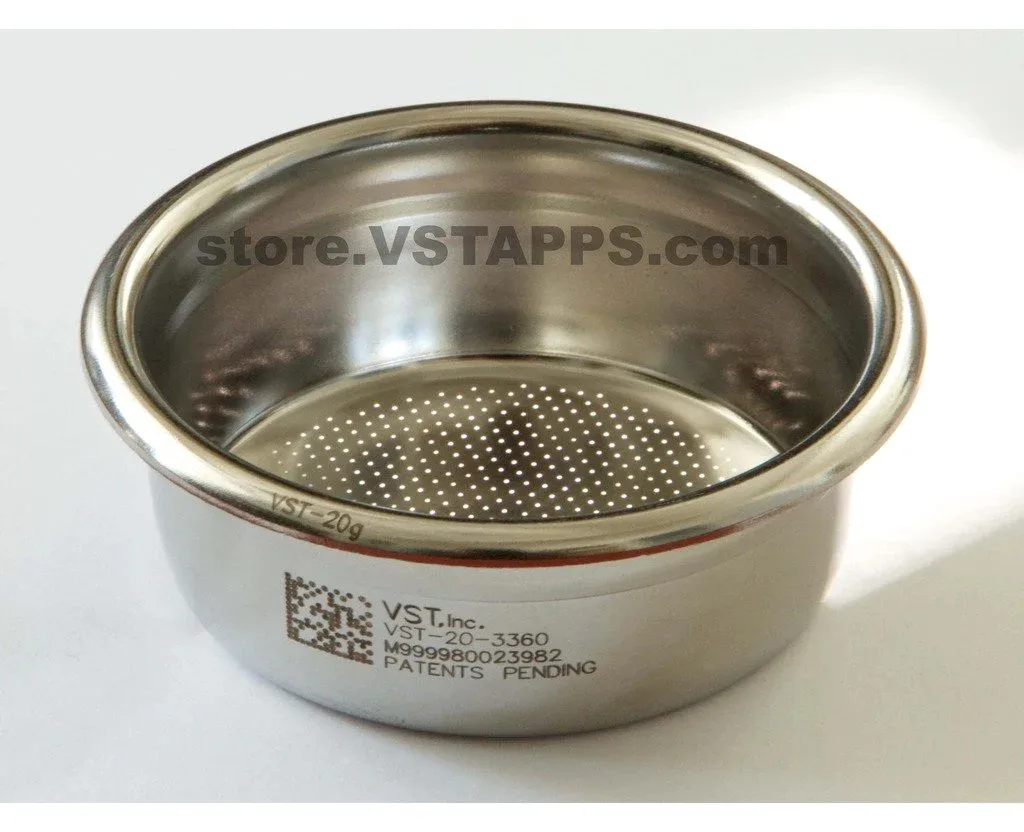
Grind your frozen coffee; do not defrost it. Either grind into an espresso shaker funnel or using a dosing funnel, grind it into the right-sized basket in a naked portafilter.
5.
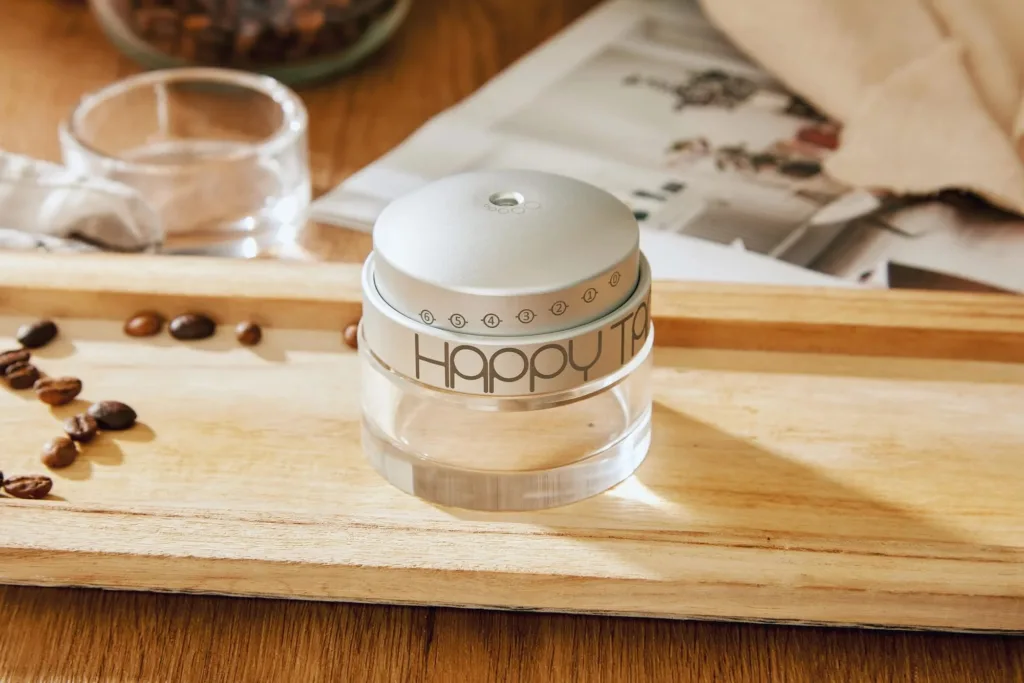
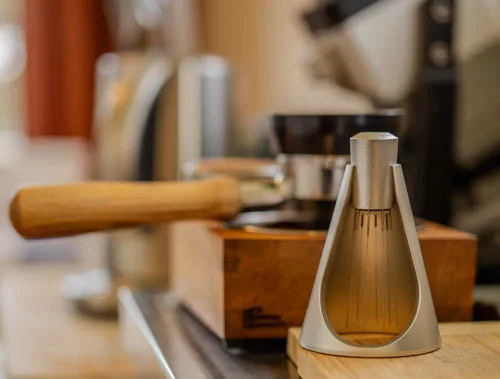
Puck prep: I use a WDT tool to break up clumps and redistribute them. I use a levelling tool and a levelling palm tamper. Then, I cover it with a shower screen to help evenly distribute the water.
6.
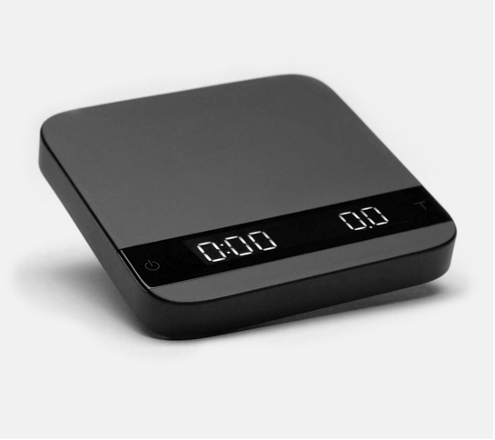
Place the scales under your cup, tare, and start the timer.
7.
Increase the pressure to 8 bar. Pre-infusion (pausing until the first drip appears) is only necessary if the beans are extremely fresh (for example, within 2 days of roasting) and are degassing so much that it affects extraction. This scenario is quite rare, so you probably won’t need to pre-infuse.
To monitor the extraction, use a mirror to watch the bottom of the naked portafilter. If you notice any spritzing, ease off the pressure for a moment. Reduce the pressure to 6 bars to maintain a steady flow rate. Stop the shot once you have reached your target yield. The extraction time should be approximately 30 seconds.
If the shot is running very slowly despite high pressure, you need to adjust your grind to a coarser setting. Conversely, if the shot is running too quickly and you cannot maintain pressure, you should grind finer.
8.
Now, the most crucial step. Before adding milk, stir the espresso and crema, dip a teaspoon in and taste (you don’t need a spoonful, it just needs to be wet). Is the coffee sour? If so, next time you make this coffee, extract more using the recipe indicated by the button above.
9.
If the coffee is not sour, ask yourself if it is very bitter. Bitterness is more difficult because all coffee is bitter to some extent. However, you can reduce bitterness by extracting less. Go too far, and it will turn sour. You are looking for the calm spot in between. Just above sour will taste the best. If you need to reduce bitterness next time you make this coffee, extract less by using the recipe indicated by the button above.
10.
Add the bypass hot water (optional). Adding hot water reduces the blanket of milk and increases the coffee’s apparent strength while keeping the volume up.
11.
Add the steamed milk. Espresso con panna (whipped cream) may be a little OTT, but adding 5-10ml of cream to your milk before steaming can help the body and taste. Another option is adding 15% coconut milk.
Espresso equipment
I only endorse equipment I have purchased myself, and I do not earn a commission or have any links to the companies I recommend.
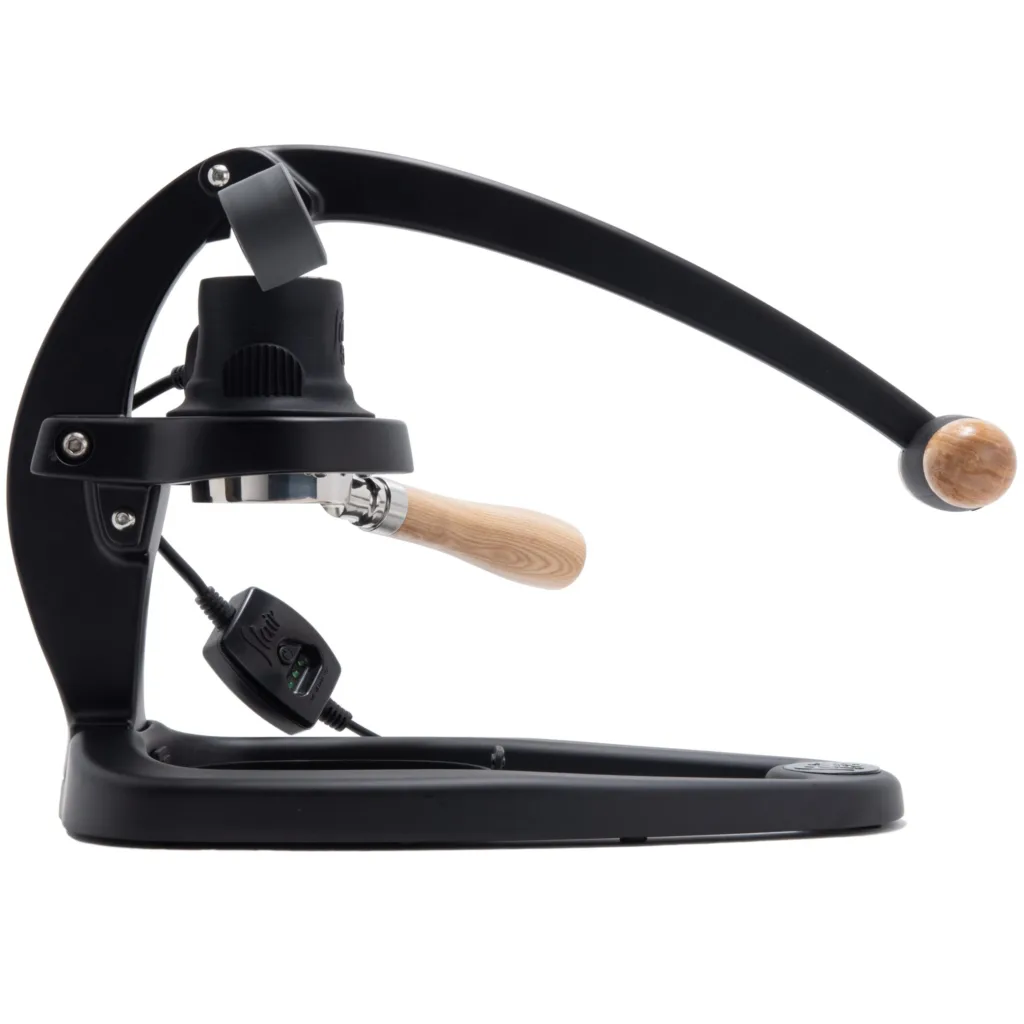
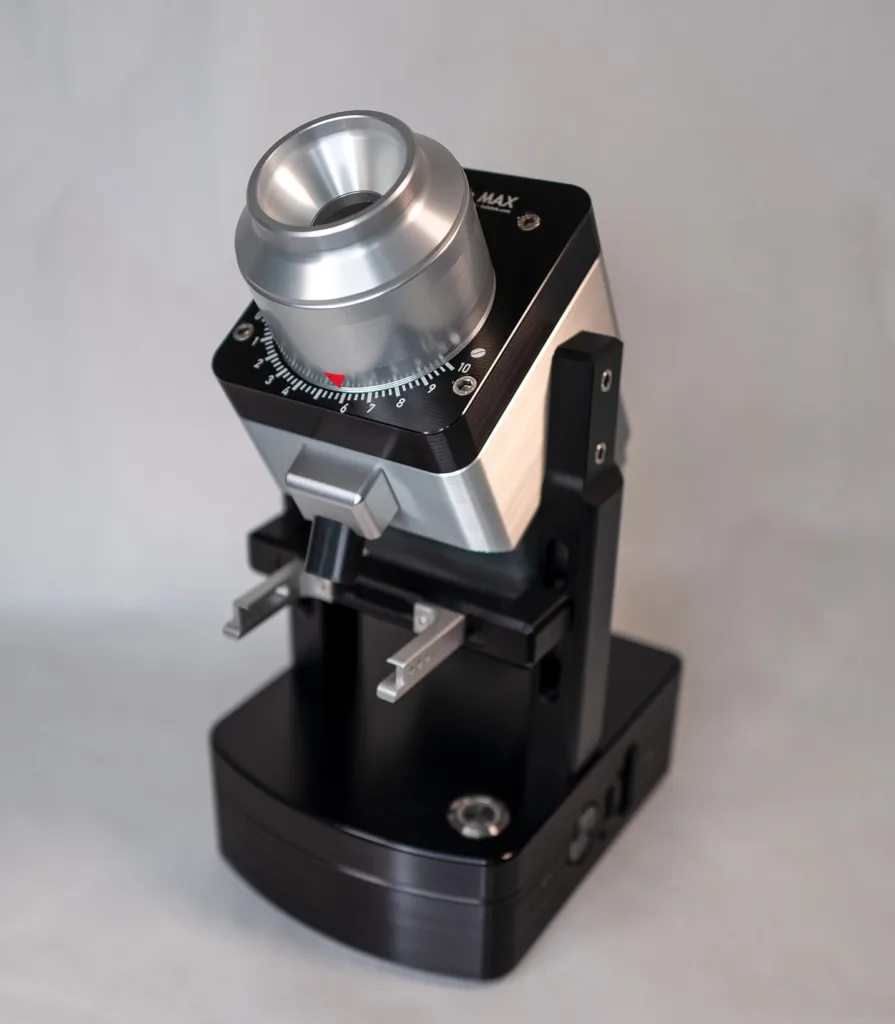
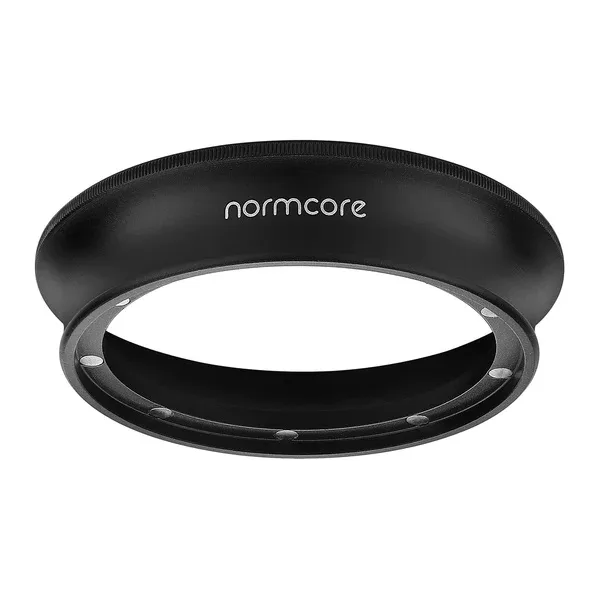
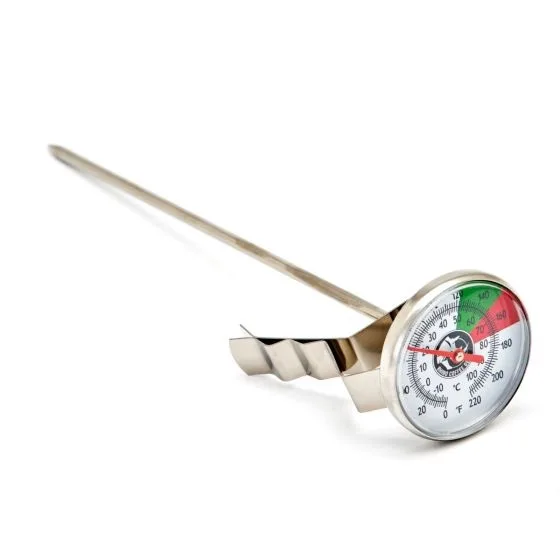
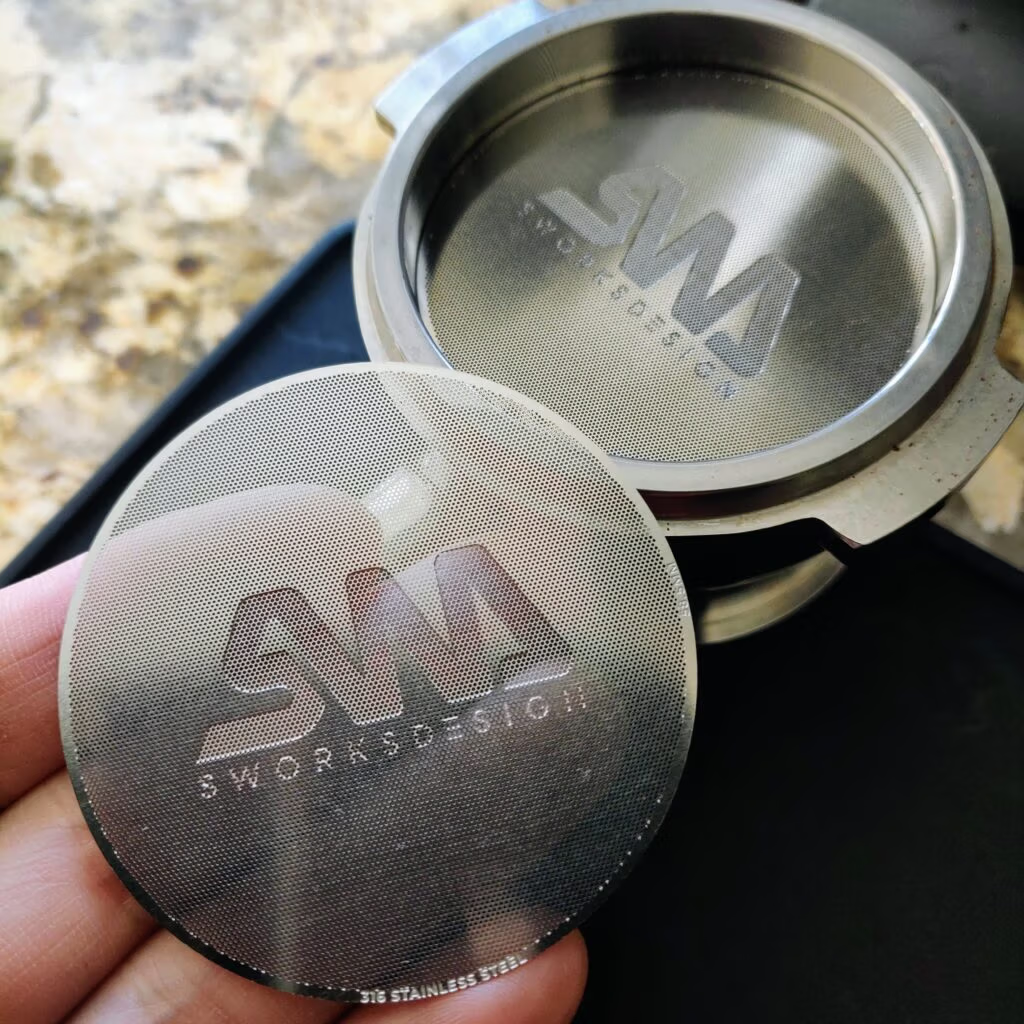
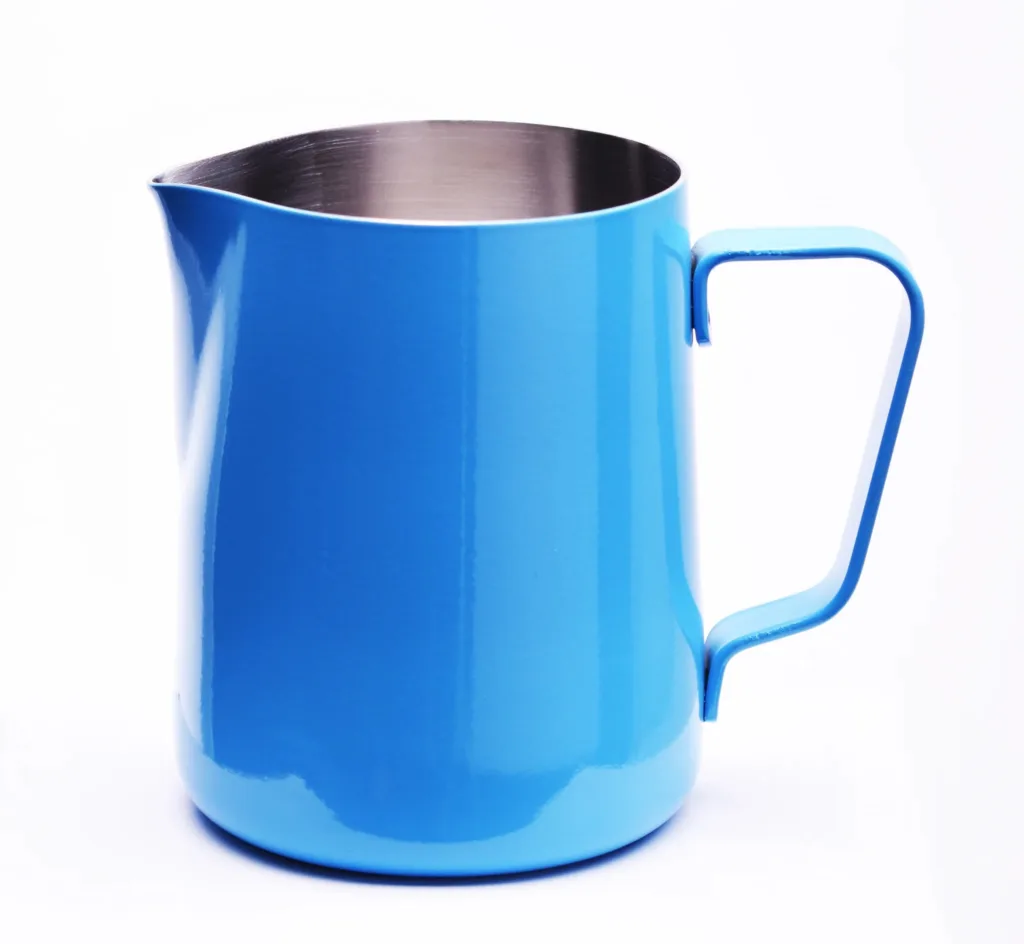
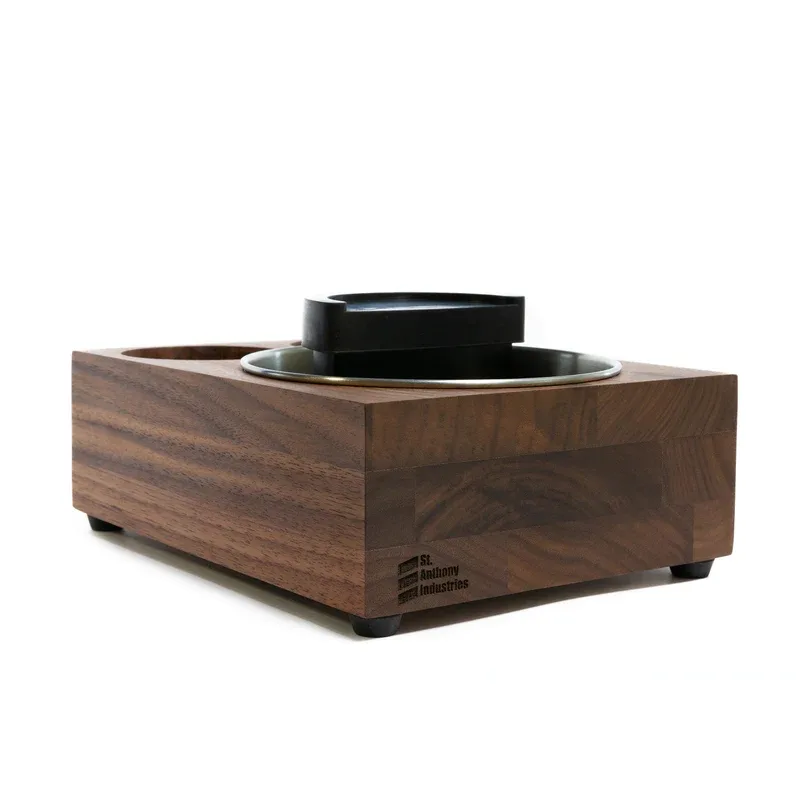
An example of a coffee I'm drinking
Colombia Julio Madrid Nitro Watermelon
Colombia uniquely offers a diverse array of coffee varieties and processing methods. Known for innovation and resilience, Colombia’s coffee history dates back to the early 19th century, with smallholder farmers being key contributors. Despite challenges like weather and conflict, Colombia consistently produces high-quality specialty coffee. For over a decade years, we’ve partnered with both large and small-scale producers from all five main growing zones, fostering close relationships and friendships.
Caturra
Caturra is a natural mutation that occurred of Bourbon. Since its discovery in Brazil, it has spread throughout Latin America and is now the benchmark of specialty coffee. It would be an easy case to make to say that Caturra is the workhorse of coffee varieties. But then, you’d have to call a workhorse delicious, and that would be pretty weird.
Harvest
Colombia
Colombia has a unique harvest schedule, thanks to the varied topography and proximity to the equator. Between those two variables, Colombia harvests nearly year round across the five main coffee growing regions. Each region has fairly reliable harvest times that conveniently stagger, providing fresh crop coffee all year round.
Process
Anaerobic Washed
This washed process coffee is fermented in the fruit, undergoing 36 hours of limited oxygen fermentation, followed by depulp and a quick channel washing. The parchment coffee is then dried for approximately twenty days on raised beds and patios. The processing impact in the final cup is noticeable, with flavor heavily indicating fruit-forward signs of fermentation within the overall cup profile.
Innoculated
This coffee undergoes mixed fermentation, followed by depulping and channel washing. The steps of this fermentation include sixty-hour fermentation in a tank, along with an additional fermentation within a sealed tank under pressure and inoculates. The processing impact in the final cup is noticeable, with flavor indicating fruit-forward signs of fermentation within the overall cup profile.
Drying
Raised-Bed Dried
Raised-beds are scaffold like structures that elevate perforated trays that hold coffee parchment or cherries. The holes in the structure allow for airflow on a near 360 degree level, ensuring that the coffee dries evenly when proper bed turning is practices. Some even go as far as covering the beds with a partial block from the sun, which extends drying and ensures the cell structure of the coffee goes largely undamaged from the UV.
Roaster
Diedrich CR-35
Prior to production, each roast goes through a rigorous dial-in process, where we fine-tune our temperature curves. We roast to tight tolerances, with no more than 1° deviation from target temperatures, ensuring quality and consistency in each batch.
Agtron
Expressive Light
Nordic-style roasting is a moniker applied to the very light roasting style that many employ in Northern Europe. We’ve opted to refer to this as Expressive Light. Seldomly do we apply such little development; however, if a coffee falls within this category, you can expect a bright acidity that dominates the cup, as well as a silky but tea-like tactile and a sweetness that is light and short.
Inventory
1188 LBS
Day after day, producers, roasters, and cuppers alike all spend countless hours of work to produce and roast small, traceable lots that we within specialty coffee call microlots. Ranging anywhere from a few lbs to many pallets, this nebulous category refers to a traceable single-origin, producer or even specific picking date. Is all that hard work keeping things separate worth it? That is up for you to decide…
Model Version:
How you can help
I have a dream:
- it might raise the standard of coffee-making globally
- It might reduce dialling in waste, time, and frustration
- It might encourage people to explore more varieties and pay more attention to the producers.
- You might be prepared to pay more for better coffee if it pleases you, returning more money to growers.
You can help:
- The best thing you can do is spread the word on other platforms, such as Reddit or Facebook coffee forums, and share with others how this method can solve everyday problems.
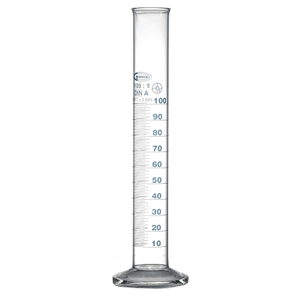
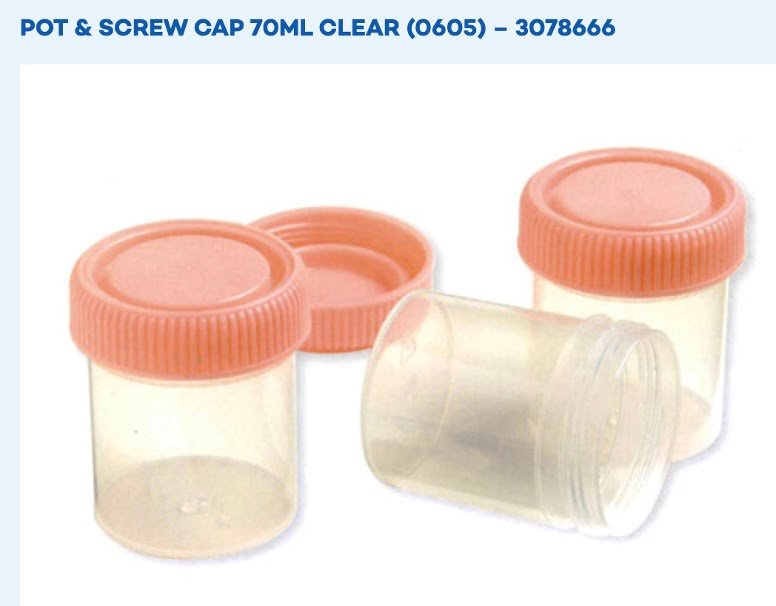
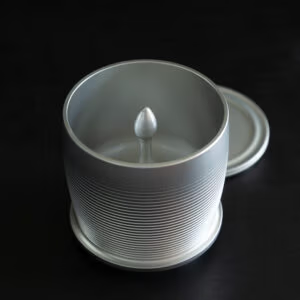
- Use 0.1g accurate scales, the recommended 100ml measuring cylinder. Entering quality data into the form helps improve the model.
- Provide evidence-based feedback for parameter range adjustments to help improve the model.
- Support the site financially via Patreon donations to help with ongoing running costs, site hosting fees, and plug-in subscriptions.